


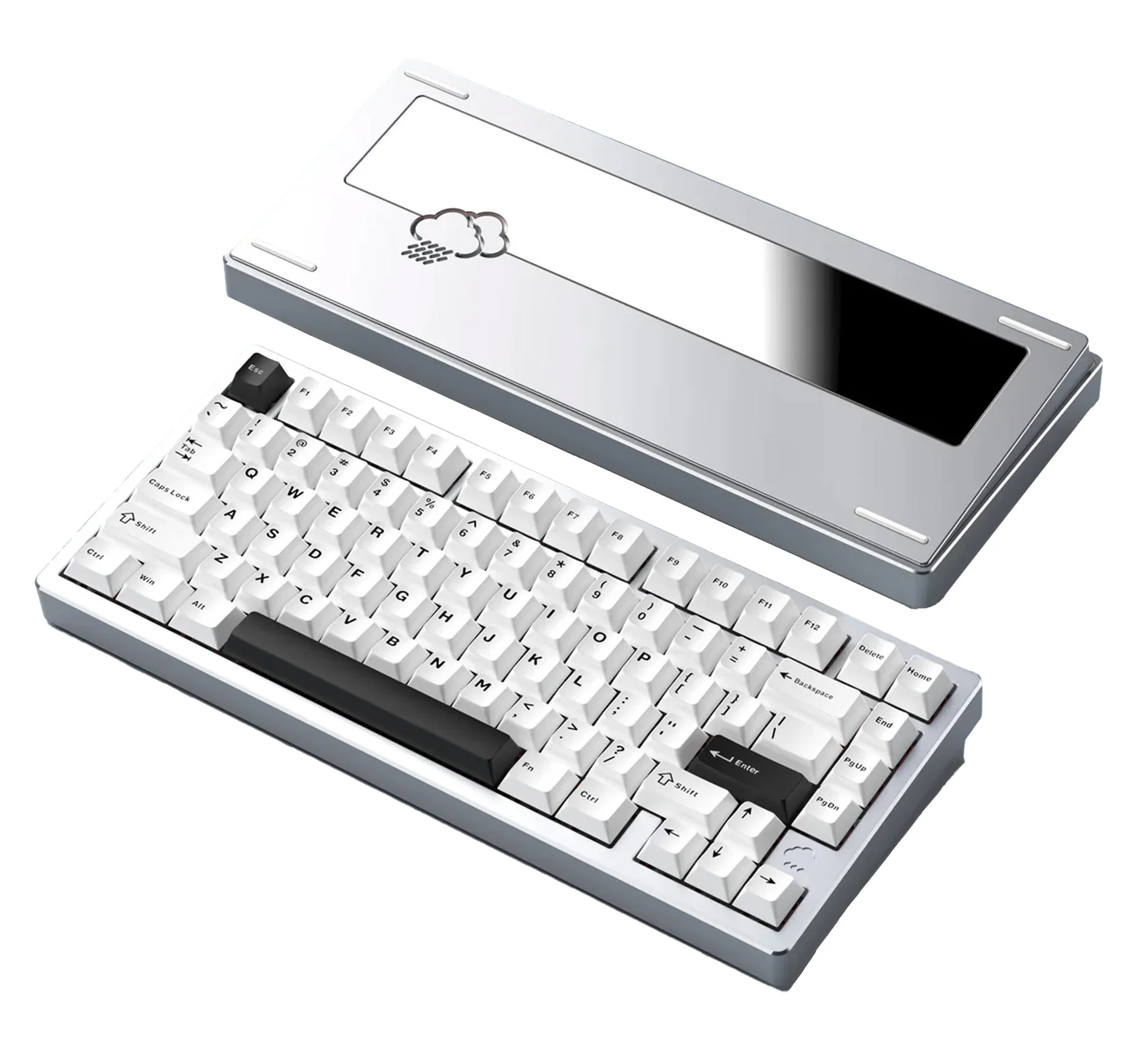
In recent years, the world of keyboards has seen a significant shift toward compact designs. Gamers, programmers, and productivity enthusiasts alike are seeking 75 keyboard that maximize functionality while minimizing desk space. Among the various layouts, the 75 layout has emerged as a standout, blending compactness with practicality. This article explores the growing popularity of this design and its implications for the future of typing technology.
Understanding the 75 Layout
The 75 layout is a compact keyboard design that condenses the traditional full-sized keyboard without sacrificing essential keys. Unlike 60% or 65% keyboards, the 75 layout maintains a dedicated function row and arrow keys, along with a cluster of navigation keys. This makes it ideal for users who want a smaller footprint but still require quick access to common keys.
The beauty of the 75 layout lies in its balance—it reduces unnecessary space while preserving usability. For office work, programming, and even light gaming, this layout provides a seamless experience, allowing users to work efficiently without constant hand repositioning.
Advantages Driving Its Popularity
- Space-Saving Design: The reduced width of the 75 layout frees up valuable desk space, making it ideal for minimalistic setups or multi-monitor configurations.
- Portability: Compact yet functional, these keyboards are easier to transport than full-sized models, appealing to professionals and students alike.
- Enhanced Typing Comfort: The clustering of keys reduces finger travel, decreasing strain during extended typing sessions.
The combination of these benefits is a key reason the future of compact keyboards: spotlight on the 75 layout is bright. Users no longer have to compromise between portability and functionality.
Customization and Modern Features
Modern 75 layout keyboards often come with hot-swappable switches, RGB lighting, and programmable keys. This customization allows users to tailor the keyboard to their exact preferences. In the coming years, we can expect even more innovation, including wireless options, haptic feedback, and software-driven enhancements that further optimize productivity and ergonomics.
The Future Outlook
As technology continues to evolve, compact keyboards like the 75 layout are positioned to dominate both professional and consumer markets. Their combination of efficiency, functionality, and portability aligns perfectly with the trends toward remote work, gaming, and mobile setups.
For anyone curious about the future of compact keyboards: spotlight on the 75 layout, it is clear that this design represents a sweet spot in keyboard evolution—merging compact form with practical function, and promising even more advancements in the near future.
