


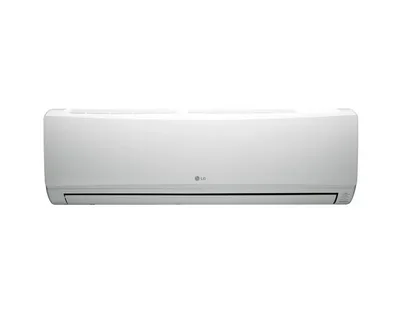
When the heat of summer hits, an air conditioner can be your best friend. But with so many different types, brands, and features available on the market, it can be difficult to know where to start. Choosing the best air conditioner for your home requires careful thought and consideration of several factors. Whether you’re replacing an old unit or installing an air conditioner for the first time, this comprehensive buyer’s guide will help you make an informed decision.
Types of Air Conditioners
Before diving into specifications and features, it’s important to know the different types of air conditioners available:
1. Window Air Conditioners
These are the most common and affordable type of air conditioners. They are designed to fit in a window and cool a single room. Window units are best for smaller spaces or when you’re looking to cool a specific area rather than the entire home.
2. Split-System Air Conditioners
Split systems are ideal for cooling larger areas or multiple rooms. The system consists of an indoor air handler and an outdoor compressor unit, connected by refrigerant lines. They are quieter than window units and provide more energy-efficient cooling.
3. Portable Air Conditioners
These are stand-alone units that can be moved from room to room. They are ideal for renters or people who want the flexibility of cooling different rooms. However, portable air conditioners are typically less efficient than window or split systems.
4. Central Air Conditioning Systems
For those who want to cool an entire house, central air conditioning systems are the most effective option. They use a network of ducts and vents to distribute cool air throughout the home. This option requires professional installation and is best suited for larger homes.
Key Factors to Consider When Choosing an Air Conditioner
When choosing the best air conditioner for your home, there are several important factors to keep in mind. These factors will help ensure you select the right unit that matches both your cooling needs and your budget.
1. Room Size and Coverage Area
One of the most important considerations is the size of the room or area you want to cool. Air conditioners come with different cooling capacities, measured in BTUs (British Thermal Units). A unit with too low of a BTU rating won’t cool your room effectively, while a unit with too high of a rating may lead to inefficient cooling and higher energy bills. As a general guideline:
- Small rooms (up to 150 square feet): 5,000–6,000 BTUs
- Medium rooms (150–250 square feet): 6,000–8,000 BTUs
- Large rooms (250–350 square feet): 8,000–12,000 BTUs
2. Energy Efficiency
Energy efficiency is another critical factor to consider when choosing the best air conditioner for your home. An energy-efficient air conditioner not only saves you money on electricity bills but also reduces your environmental impact. Look for units that have the Energy Star label, which indicates that the air conditioner meets certain energy efficiency standards. Additionally, check the SEER (Seasonal Energy Efficiency Ratio) rating for central systems or EER (Energy Efficiency Ratio) for window and portable units.
3. Noise Levels
Nobody wants a noisy air conditioner disrupting their daily activities or sleep. When selecting an air conditioner, make sure to check the decibel (dB) rating, especially for units like window air conditioners or portable units. Quieter units tend to operate in the range of 50–60 dB, while louder models can go above 70 dB. If you’re sensitive to noise, look for models that specifically advertise “quiet operation.”
4. Additional Features and Technology
Modern air conditioners come with a range of features designed to improve comfort and convenience. Some of the most popular features include:
- Smart Controls: Many air conditioners now have Wi-Fi capabilities, allowing you to control the temperature remotely via a smartphone app.
- Dehumidification: Some units have built-in dehumidifiers, which can help reduce humidity and improve air quality in addition to cooling.
- Air Purification: Look for units with built-in filters that help improve indoor air quality by removing dust, pollen, and other allergens.
- Timers and Sleep Modes: These features allow you to program the air conditioner to turn off after a certain time or adjust the temperature while you sleep for maximum comfort.
Installation and Maintenance Considerations
1. Installation Requirements
The installation process varies depending on the type of air conditioner you choose. Window and portable units are generally easy to install, with most coming with detailed instructions. Split and central air conditioning systems, on the other hand, typically require professional installation. If you opt for a split system or central air, be sure to factor in installation costs, which can range from $500 to $3,000 or more, depending on the complexity.
2. Routine Maintenance
To keep your air conditioner running efficiently and extend its lifespan, regular maintenance is essential. For most units, this includes cleaning or replacing filters, checking refrigerant levels, and ensuring that the cooling coils are free of dust and debris. Regular maintenance can also help prevent breakdowns during the peak summer season.
Conclusion
Choosing the best air conditioner for your home involves understanding your cooling needs, the size of the space, your budget, and any additional features you might need. By considering factors such as energy efficiency, noise levels, and installation requirements, you can make an informed decision that ensures your comfort throughout the year.
