


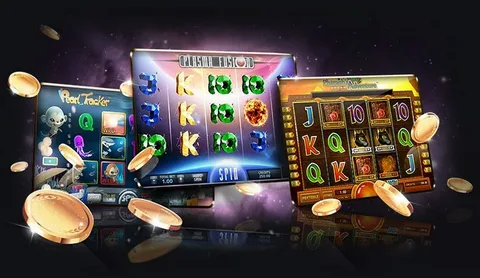
Interactive SLOT JOIN999 gacor games have evolved far beyond simple spinning reels. Today, players expect immersive visuals, dynamic controls, customizable interfaces, and a smooth digital environment that responds to their behavior. This guide explores how interactive slot systems work and how players can maximize enjoyment through better understanding of features, mechanics, and user-experience placement. Rather than focusing on high-risk decisions, this article highlights the entertainment, design, and engagement value behind modern slot experiences.
The Evolution of Modern Interactive Slot Systems
Interactive slot platforms begin with a core concept: making every action feel connected to the player. Whether it’s adjusting reel speed, exploring bonus animations, or activating special effects, players feel more involved when they can directly influence their environment. The interface is designed to be intuitive, so even beginners can easily navigate settings like sound customization, theme selection, and feature previews. These options transform what once felt static into a dynamic digital environment that adapts to player preferences. One of the most important qualities of modern interactive slot systems is the responsive feedback loop. Whenever players perform an action—spin, stop, adjust, toggle, or explore menus—the system reacts instantly. This creates a rhythmic experience that keeps players engaged without overwhelming them. Smooth transitions, consistent animations, and minimal loading times all contribute to a more refined level of interaction that makes the experience feel seamless. Gamified features also enhance the interactive journey. Elements such as progress bars, visual milestones, collectible tokens, and themed challenges encourage players to return not for monetary goals but for progression-based satisfaction. As developers continue to innovate, these features resemble mechanics commonly found in mainstream mobile and console games.
How Visuals, Sound, and Feedback Shape the Player Journey
A core aspect of an interactive slot experience is the use of adaptive sound design. Instead of repetitive tones, modern games employ layered audio that changes depending on the phase of gameplay. Subtle ambient tracks for normal spins, energetic tones for bonus triggers, and celebratory effects for achievements all create emotional depth. This attention to sound quality enhances engagement and helps communicate in-game cues more effectively. The visual presentation also plays a crucial role. High-resolution graphics, smooth animations, and themed artwork create a sense of atmosphere that immerses players into a world rather than a standard machine layout. Animated icons, moving backgrounds, and dynamic effects triggered by user actions make the experience feel alive. When reels respond visually to gameplay decisions, the sense of involvement becomes stronger and more memorable. The combination of synchronized sound and responsive visuals forms an integrated sensory experience. Developers strive to ensure that every spin, animation, and symbol transition aligns with the game’s theme to strengthen the player’s emotional connection to the gameplay.
Personalization Features That Enhance User Experience
A successful interactive situs slot depo 10k gacor hari ini experience must include user-controlled personalization. Players can modify spin speed, animation intensity, interface layout, and even color themes. This creates accessibility for different preferences—some prefer energetic visuals, while others enjoy calmer, minimalistic designs. The more customizable the experience becomes, the more players feel in control, which significantly enhances overall satisfaction. Modern slot platforms also integrate learning-friendly tools such as tutorials, interactive guides, and preview modes that allow users to explore mechanics before fully engaging. Clear explanations of symbols, functions, and reel behavior ensure the experience remains enjoyable and approachable for all types of players. Multi-device optimization is another key factor. Developers create responsive layouts that adapt to desktops, tablets, and mobile screens. Touch controls for mobile play, scalable animations, and quick interactions ensure that players enjoy consistent quality across devices.
Balancing Engagement and Accessibility in Interactive Slot Design
The heart of a well-designed interactive slot experience lies in balanced engagement. The goal is not to overwhelm players with excessive features nor to leave them bored with static gameplay. Instead, successful designs merge user control, visual storytelling, responsive feedback, and smooth mechanics into one cohesive journey. This balance ensures that players can appreciate the entertainment value without feeling disconnected or confused. Interactive slot entertainment thrives on immersion, personalization, and dynamic response. As technology continues evolving, players can expect even more refined interactive elements—from real-time animations to adaptive interfaces that respond intelligently to user behavior. For anyone seeking a smooth, engaging, and intuitive digital experience, understanding these components is the key to enjoying the modern world of interactive slot design.
