


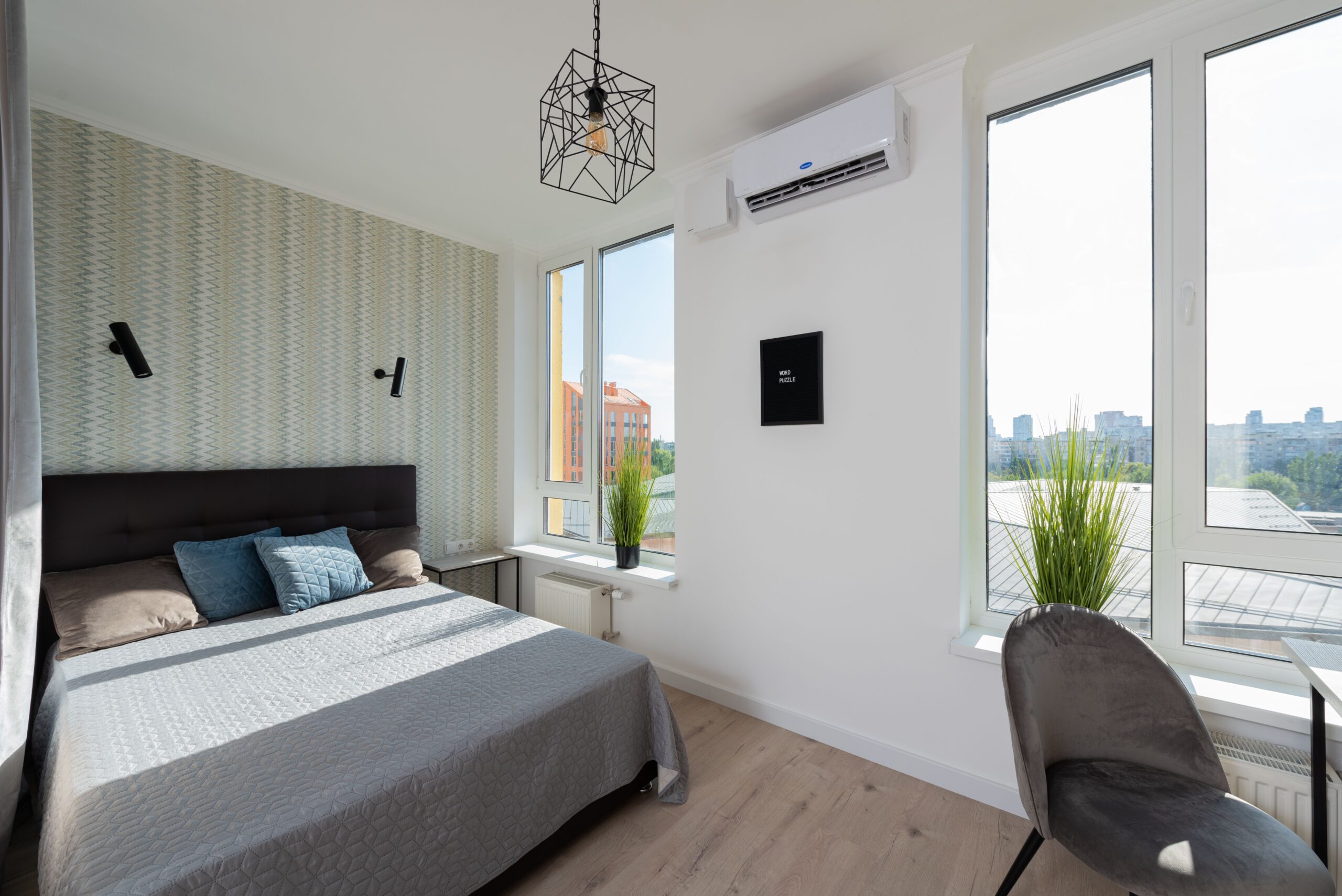
An air conditioning system often works hardest when you need it most. During periods of intense heat, a sudden breakdown can quickly turn a comfortable home into an unpleasant space. Although no cooling system can operate forever without repairs, many common problems can be reduced through regular care and attention.
Preventing an air conditioner from failing is not about waiting until something goes wrong. It involves recognizing changes in performance, keeping essential components maintained, and avoiding habits that place unnecessary strain on the equipment. A proactive approach can help your system operate more reliably and potentially extend its useful life.
Change or Clean the Air Filter Regularly
One of the simplest ways to support an air conditioning system is to pay attention to the air filter. As the system circulates air, the filter collects dust and other airborne particles. Over time, this buildup can restrict airflow.
When airflow becomes limited, the air conditioner may have to work harder to cool the home. This added strain can reduce efficiency and contribute to unnecessary wear on system components.
Check the filter regularly and follow the manufacturer’s recommendations for replacement or cleaning. Homes with pets, heavy dust, or frequent system use may require more frequent attention.
Keep the Outdoor Unit Clear
The outdoor portion of an air conditioning system needs adequate airflow to release heat effectively. Leaves, grass clippings, dirt, and other debris can accumulate around the unit and interfere with its operation.
Inspect the area periodically and keep nearby vegetation from growing too close to the equipment. Avoid stacking household items against the unit or covering areas needed for ventilation.
Keeping the outdoor equipment clear is a simple step that can help the system operate more efficiently.
Pay Attention to Unusual Changes
Air conditioners often provide warning signs before they stop working completely. Changes in performance should not automatically be ignored simply because the system is still producing cool air.
Unusual noises, weak airflow, inconsistent temperatures, unpleasant odors, or longer operating cycles may indicate that a problem is developing. A sudden increase in energy use can also suggest that the system is working harder than it should.
Addressing these changes early may prevent a smaller concern from developing into a more serious mechanical failure.
Avoid Overworking the System
Setting the thermostat extremely low does not necessarily cool a home faster. Instead, it may cause the air conditioner to operate for longer periods as it attempts to reach an unrealistic temperature.
Using reasonable thermostat settings can reduce unnecessary strain on the system. Closing doors and windows while the air conditioner is running also prevents cooled air from escaping.
Curtains or blinds can help reduce heat entering through windows during the hottest parts of the day. Reducing the cooling load allows the system to maintain comfort without working harder than necessary.
Keep Vents Open and Unblocked
Furniture, rugs, curtains, and other household items can sometimes block supply or return vents without homeowners realizing it. Restricted airflow can affect how efficiently conditioned air moves throughout the home.
Check vents periodically and make sure they remain open and unobstructed. Closing too many vents in unused rooms may also affect system balance, depending on the HVAC design.
Proper airflow helps the air conditioner distribute cool air more effectively and reduces unnecessary pressure on the system.
Schedule Routine Professional Maintenance
Some air conditioning maintenance requires specialized knowledge and equipment. A professional inspection can identify worn components or other concerns that may not be visible during routine household checks.
HVAC businesses such as Trane South are examples of companies homeowners may come across when researching professionals who provide air conditioning services. Regardless of the provider chosen, regular maintenance should be based on the equipment manufacturer’s guidance and the condition of the system.
Routine servicing may help identify developing issues before they result in an unexpected breakdown.
Keep the Indoor and Outdoor Coils Clean
Air conditioning systems rely on coils to transfer heat. When dirt builds up on these components, the system may have difficulty performing efficiently.
Some basic cleaning around accessible areas may be possible for homeowners, but internal components should generally be handled by trained professionals. Improper cleaning methods can damage delicate parts.
Keeping coils in good condition supports efficient heat transfer and may reduce the amount of work required from the system.
Monitor the Drainage System
Air conditioners remove moisture from indoor air as part of the cooling process. This moisture needs to drain properly away from the system.
A clogged condensate drain can lead to water leaks and moisture problems. In some cases, safety controls may shut the system down to prevent additional damage.
Watch for water collecting near indoor equipment or unexpected increases in humidity. These signs may indicate that the drainage system requires attention.
Do Not Ignore Small Repairs
A minor problem does not always stay minor. A strange sound or occasional performance issue may seem easy to tolerate, but continuing to operate damaged equipment can place additional stress on other components.
Prompt repairs can sometimes prevent a chain reaction in which one failing part affects another. Keeping records of maintenance and previous repairs can also help technicians understand the history of the system.
Early attention is often easier to manage than an emergency breakdown during extreme weather.
Know When the System Is Aging
Even well-maintained air conditioners eventually reach the end of their useful service life. Older equipment may require more frequent repairs and become less reliable over time.
Monitoring repair frequency and overall performance can help homeowners prepare for eventual replacement. Planning ahead provides more time to evaluate options rather than making a rushed decision after a complete system failure.
Maintenance can extend reliable operation, but recognizing when equipment is approaching the end of its lifespan is also part of responsible system care.
Make Prevention Part of Your Home Routine
Preventing an air conditioning system from failing begins with consistent attention. Changing filters, maintaining clear airflow, monitoring unusual changes, and scheduling professional maintenance can all support dependable performance.
No maintenance plan can guarantee that an air conditioner will never need repairs. However, proactive care can reduce avoidable strain and help identify problems before they become major disruptions.
By treating your cooling system as an important part of regular home maintenance, you can improve its chances of operating efficiently when temperatures rise. A little attention throughout the year may help keep the cool air flowing and reduce the likelihood of an unexpected breakdown when you need your air conditioner most.
